Limited-time offer
Extra 25% Off
on selected items
Offer ends in:
00Days
00Hours
00Minutes
00Seconds


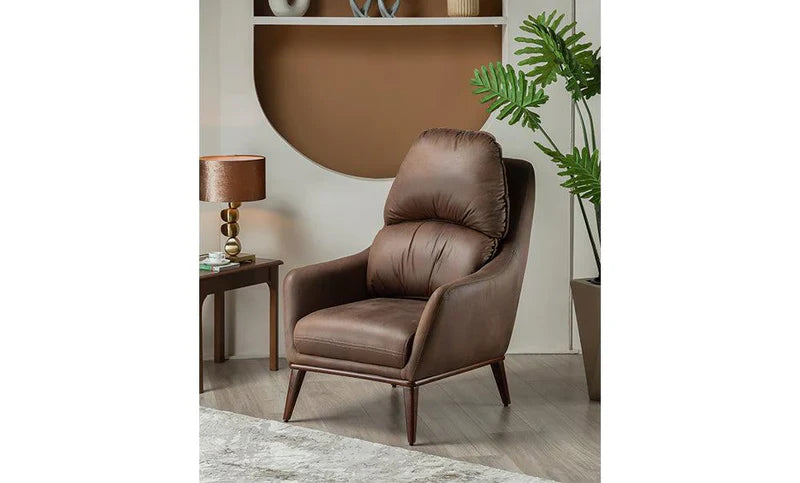
Leather furniture is a timeless investment that adds elegance, comfort, and durability to any home. Whether it's a luxurious leather sofa in your living room or a stylish leather armchair in your office, proper care is essential to keep it looking its best for years. One of the most common concerns homeowners face is cracking, which not only affects the appearance of leather but can also shorten its lifespan.
Learning how to protect leather furniture from cracking is easier than many people think. With the right cleaning routine, conditioning products, and daily habits, you can preserve the softness, color, and strength of your furniture. At MK Kabbani Furniture UAE, we believe that quality furniture deserves quality care, helping every piece maintain its beauty and comfort for years to come.

Leather is a natural material that contains fibers and natural oils. Over time, exposure to sunlight, heat, dry indoor air, and improper cleaning can cause these oils to evaporate. As the leather dries out, it loses flexibility, eventually leading to small cracks that may become more noticeable if left untreated.
Several factors contribute to leather cracking, including:
Direct sunlight and UV exposure
Air conditioning or heating vents blowing directly onto the furniture
Lack of regular conditioning
Using harsh household cleaners
Dirt and body oils building up on the surface
Low indoor humidity
Understanding these causes is the first step in protecting leather furniture effectively.
The best way to protect leather furniture from cracking is to clean it regularly, apply a leather conditioner every 6–12 months, keep it away from direct sunlight and heat, maintain indoor humidity, and use leather-safe cleaning products. And here is how to do it step by step:
Dust, dirt, and everyday debris act like fine abrasives that slowly wear down the leather's protective surface. Regular cleaning helps prevent premature aging while keeping your furniture looking fresh.
Choose a dedicated leather furniture cleaner instead of general-purpose cleaning sprays. A high-quality cleaner removes dirt without stripping away the leather's natural oils.
For routine leather sofa cleaning, follow these simple steps:
Dust weekly using a soft microfiber cloth.
Vacuum creases with a brush attachment.
Wipe gently with a leather-safe cleaner.
Dry the surface immediately using a clean cloth.
Never soak the leather with water.
Avoid products containing bleach, ammonia, alcohol, or strong detergents, as they may damage the leather finish.
Cleaning removes dirt, but conditioning replaces the moisture that leather naturally loses over time.
This is one of the most important parts of Leather Furniture Care and should never be skipped.
A quality leather conditioner:
Keeps leather soft and flexible
Prevents drying
Reduces the risk of cracks
Restores a rich, healthy appearance
Extends the furniture's lifespan
Most leather furniture benefits from conditioning every 6–12 months, although homes with dry climates or constant air conditioning may require more frequent treatment.
One of the easiest ways to practice Leather Furniture Protection is by choosing the right location for your furniture.
Try to keep leather pieces away from:
Large windows with direct sunlight
Radiators
Fireplaces
Air conditioning vents
Space heaters
If moving the furniture isn't possible, consider using curtains, blinds, or UV-filtering window films to reduce sun exposure.
In the UAE, where air conditioning runs for long hours and sunlight can be intense throughout the year, maintaining a consistent leather care routine is especially important. At MK Kabbani Furniture UAE, we recommend combining regular cleaning with periodic conditioning to help leather furniture stay soft, comfortable, and beautiful for years.
Leather performs best in environments with balanced humidity. Air that's too dry accelerates moisture loss, making cracking more likely.
Keeping indoor humidity between 40% and 55% helps preserve the leather's flexibility. If your home becomes especially dry, using a humidifier can support better Leather Furniture Maintenance throughout the year.
Daily habits have a bigger impact than many people realize.
Simple preventive measures include:
Avoid sitting on leather with sharp objects in your pockets.
Keep pets' nails trimmed.
Clean spills immediately.
Rotate cushions regularly.
Avoid placing heavy decorative items in one spot for extended periods.
Another often-overlooked tip is to be mindful of dark-colored clothing. Dark denim jeans may transfer dye onto light-colored leather sofas, especially when the furniture is new or exposed to heat and humidity. Cleaning the stain as soon as possible helps prevent permanent discoloration.
If you have children or pets, choose Leather Furniture Protection products designed to resist spills, stains, and scratches. These protective treatments create an additional barrier that helps preserve your furniture while making routine cleaning much easier.
These small practices greatly improve Leather Sofa Protection and help maintain an even appearance over time.
In addition to cleaning and conditioning, specialized protectants create an invisible barrier against stains, moisture, and everyday dirt.
A good Leather Furniture Treatment may include:
Protective creams
Leather sealants
UV protection formulas
Moisture-resistant conditioners
Always choose products designed specifically for your leather type and follow the manufacturer's instructions carefully.

Not all leather furniture is made to the same standard. Higher-quality leather generally lasts longer, develops a beautiful natural patina, and responds better to regular maintenance.
When shopping for leather furniture, consider:
Leather quality and finish
Strong hardwood frames
High-density foam cushions
Durable stitching
Manufacturer recommendations for care
Not all leather furniture requires the same maintenance routine. Different leather types have unique finishes and characteristics, so using the right cleaning and conditioning products is essential to avoid accidental damage.
Here's a quick overview:
Full-grain leather: The highest-quality leather with a natural surface. It develops a beautiful patina over time and benefits from regular conditioning.
Top-grain leather: Slightly sanded for a smoother finish, making it durable and easier to maintain while still requiring periodic conditioning.
Genuine leather: Made from lower layers of the hide. While durable, it may need more frequent care to prevent drying and cracking.
Faux leather: A synthetic material that doesn't absorb conditioners like natural leather. It only requires gentle cleaning with products specifically designed for faux leather.
Always check the manufacturer's care instructions before applying conditioners or cleaning products, as different leather types require different maintenance routines. If you're unsure about the material, it's best to test any product on a hidden area first.
|
Task |
Recommended Frequency |
|
Dusting |
Weekly |
|
Vacuuming |
Every 2–4 weeks |
|
Deep Cleaning |
Every 3–6 months |
|
Conditioning |
Every 6–12 months |
|
Professional Inspection |
Every 1–2 years |
Avoid these common mistakes to extend the life of your furniture:
Using baby wipes or household cleaning sprays
Cleaning leather with vinegar or baking soda, which can strip away natural oils and damage the finish
Using a steam cleaner, as excessive heat and moisture can weaken leather fibers
Applying excessive water
Skipping conditioning for years
Leaving furniture in direct sunlight
Ignoring small scratches or cracks
Using silicone-based products not intended for leather
Scrubbing aggressively with rough cloths
Preventing damage is always easier than repairing it later.
Most leather furniture should be conditioned every 6 to 12 months. In homes with strong air conditioning or dry indoor conditions, conditioning every 4 to 6 months may provide better protection.
Yes. Minor damage can often be restored with conditioners and repair kits, while severe damage may require professional cracked leather repair.
Yes. Prolonged UV exposure dries out leather, causing fading and increasing the risk of cracking. Keeping leather away from direct sunlight is one of the best ways to protect it.
Absolutely. High-quality leather furniture performs well in UAE homes when properly maintained. Regular conditioning, routine cleaning, and protection from direct sunlight and constant air conditioning will help preserve its appearance and durability for many years.
Final Thoughts
Protecting leather furniture from cracking starts with simple habits: regular cleaning, proper conditioning, protection from sunlight and heat, and quick action when spills happen. With the right routine, leather sofas, armchairs, and recliners can stay soft, elegant, and comfortable for years.
At MK Kabbani Furniture UAE, you can explore premium leather sofas, recliners, armchairs, and living room collections designed to bring lasting comfort and timeless style to UAE homes.